
Rolling Meadows Directory Collections
Rolling Meadows became a city in 1955, so its directory trail begins with suburban and county labels rather than a long independent run. The confirmed online anchor is the June 1955 Chicago Suburban telephone volume at the Library of Congress. Later reverse-address research can use Haines volumes reported by the Arlington Heights Memorial Library guide. The Rolling Meadows Library also supplies licensed genealogy databases and a partial local-history collection, but its policy warns that older editions may have been withdrawn. A careful city directory search records the year, title, page, locality, and access site for each hit.
| Collection | Years | Where Held | Access |
|---|---|---|---|
| Chicago Suburban telephone book | June 1955 | Library of Congress | Free scans and OCR |
| Haines criss-cross volumes | 1979 to present, guide coverage | Arlington Heights Memorial Library | Confirm Rolling Meadows years in person |
| Local directories and clippings | Years vary | Rolling Meadows Library | Catalog and reference-desk check |
| Census and obituary databases | Collection-dependent | Rolling Meadows Library databases | Card rules; Ancestry in-library only |
No source promises an unbroken run. Search Rolling Meadows, Palatine Township, Chicago Suburban, Arlington Heights, and the printed telephone exchange. The 1999 Illinois State Geological Survey library survey noted Cook County north and current city directories, Haines directories, local newspaper articles, business directories from 1987 through 1994, and partial 1960 aerial photographs. That survey is a lead, not a current shelf list, so ask staff to verify the title and year before a visit.
Rolling Meadows Directories Start Suburban
County records existed long before Rolling Meadows incorporated. The first Kimball Hill homes appeared in 1953, while the city formed in 1955. Early households can therefore sit under county, township, neighboring-suburb, or telephone-company headings. A search limited to the modern city name can miss the right page even when the household was already present.
The 1955 Chicago Suburban volume includes a Rolling Meadows locality index and white-page material. OCR is useful for a first pass, but scan the page itself before copying a name. Line breaks and older type often distort letters. The exchanges WInfld and CLearbrk also act as date clues, though they are not modern street identifiers.
The Library of Congress directory guide shows the broader setting for these collections.
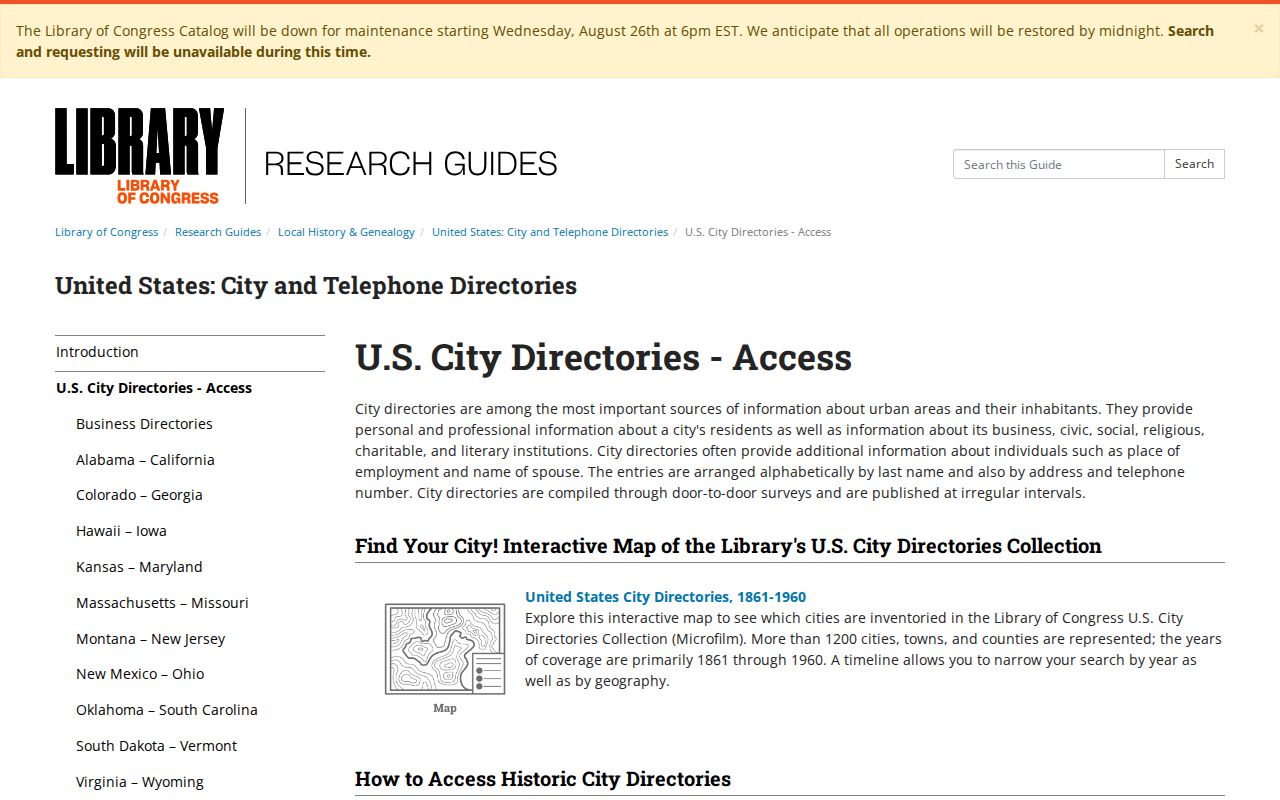
The guide helps distinguish alphabetical pages from reverse sections and explains why national holdings remain uneven by place and year.
Rolling Meadows Library Directory Shelf
The Rolling Meadows Library catalog guide supports keyword, title, author, and subject searches, plus filters for date, format, availability, language, and location. Useful terms include city directory, telephone directory, criss cross, Haines, Kimball Hill, Palatine, Cook County, and house history. Sort oldest first when seeking an early address. A login can save a search, but the result still needs a location and availability check.
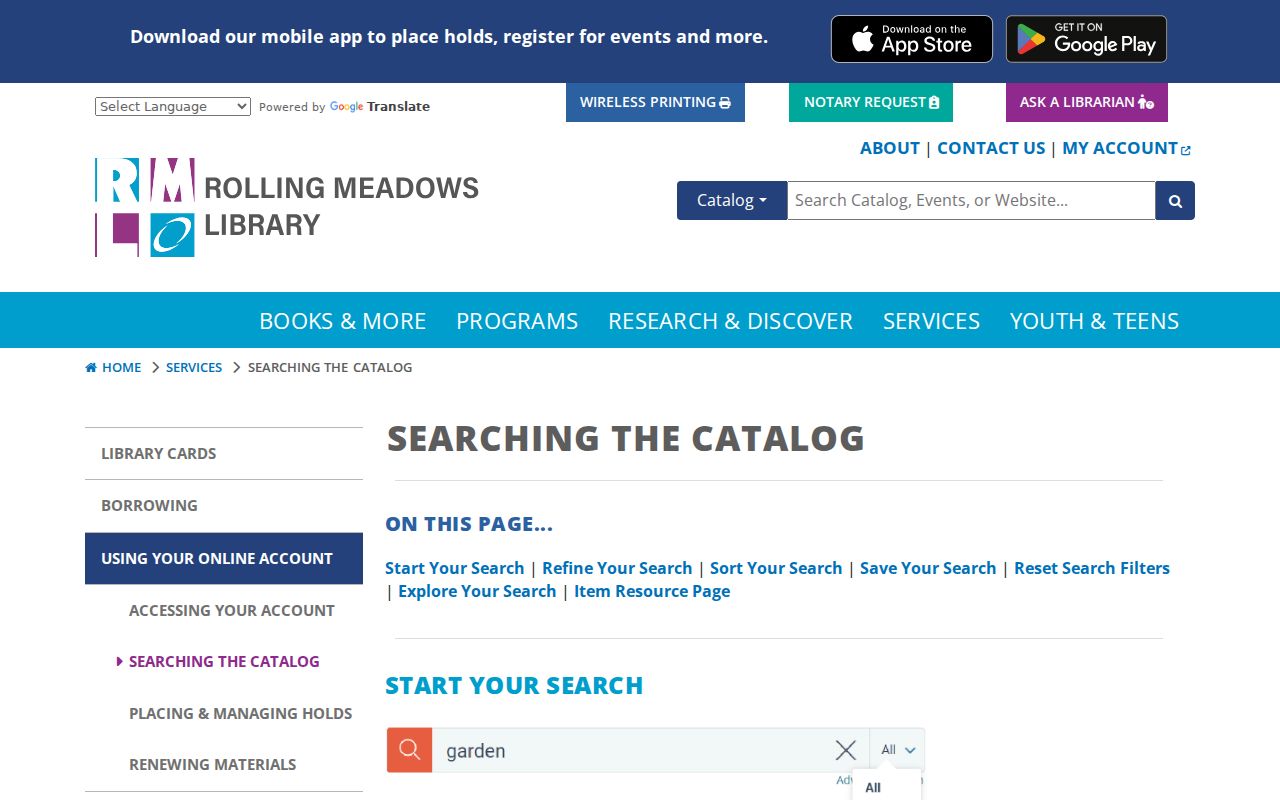
The catalog controls make it possible to test several locality labels without treating every hit as a Rolling Meadows volume.
The library's local-history policy describes a non-archival collection. Old editions may be removed, and the collection is not complete. Contact the reference desk at 847-259-6050 extension 130 before relying on a catalog omission.
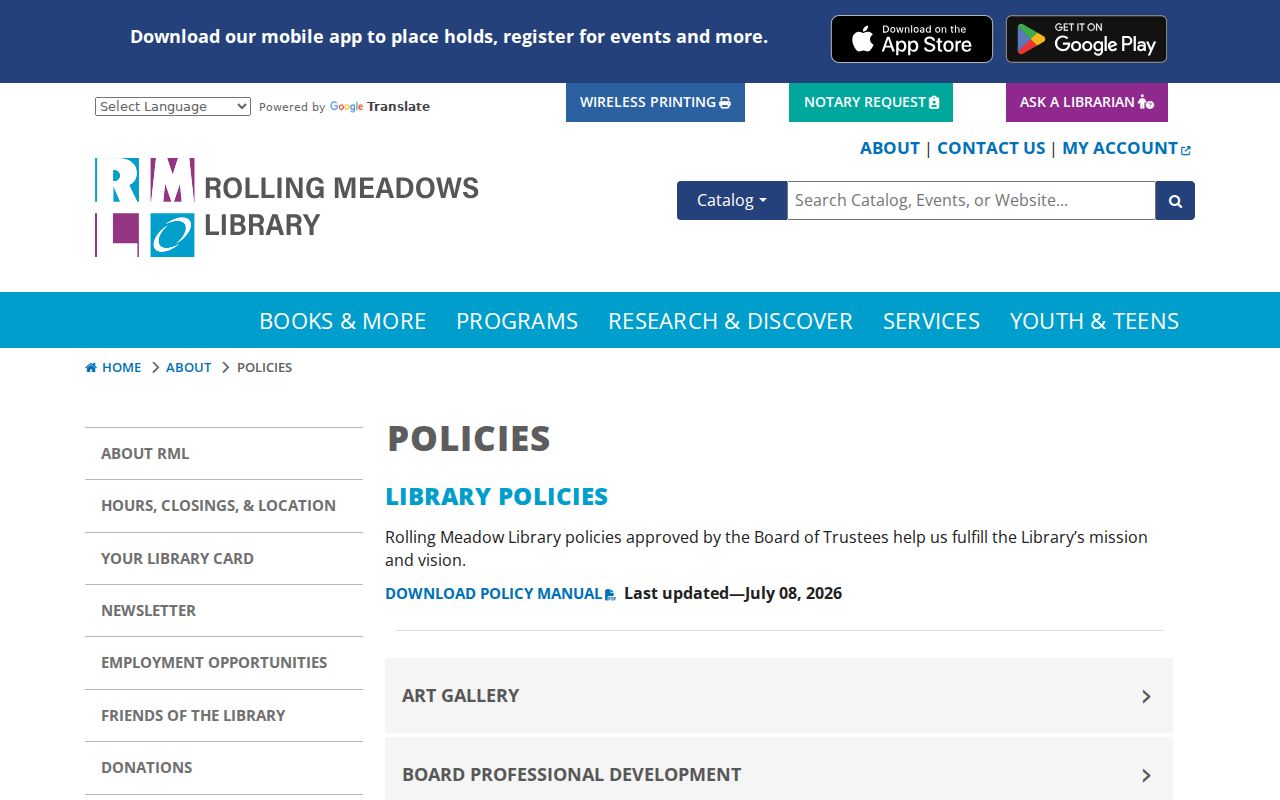
That policy turns a missing catalog result into a reason to ask staff, not proof that a directory never existed.
Read a Rolling Meadows Directory Entry
A 1955 white-page entry is lean. It can show a surname or household name, a street address, the community label, and a telephone exchange with its number. Unlike some older city directories, this confirmed volume does not promise an occupation, spouse, or owner mark in each ordinary white-page line. Yellow pages organize businesses by category. Copy only the fields actually printed, and treat the entry as a snapshot from one publication.
| Printed name | Surname, given name, household, or organization as typeset |
|---|---|
| Street line | House number and the spelling used in that volume |
| Locality | Rolling Meadows or a broader suburban label |
| Telephone | Exchange word or letters followed by the number |
| Page context | Alphabetical white page, locality section, or business category |
- Criss-cross directory
- A volume arranged by street and house number, allowing an address-to-name search.
- Householder index
- An alphabetical list of the people or households chosen for publication.
- Abbreviation key
- The publisher's legend for shortened words and marks. Save it with the entry before interpreting a symbol.
A published subscriber is not the same as an owner or every member of the household. Confirm an address with a census, deed, permit, obituary, or parcel record that has its own date and role.
Rolling Meadows Genealogy Database Access
The Rolling Meadows Library databases add records that help explain a directory hit. Ancestry Library Edition is available only on library computers. HeritageQuest supplies census and genealogy material, while HeritageHub focuses on mid-century obituaries and may include original images. Illinois Public Records lists transfers and other dated events, but it is a licensed index that should be checked against a county record.
Access rules differ. A library card may be needed for remote use, and an online index is not a certified record. Search one name with its directory address and approximate year, then note which database produced each detail. That practice keeps an obituary relationship, census household, and deed party from being blended into one unsupported claim.
The nearby Arlington Heights genealogy collection offers another reference route when the Rolling Meadows shelf lacks a year.
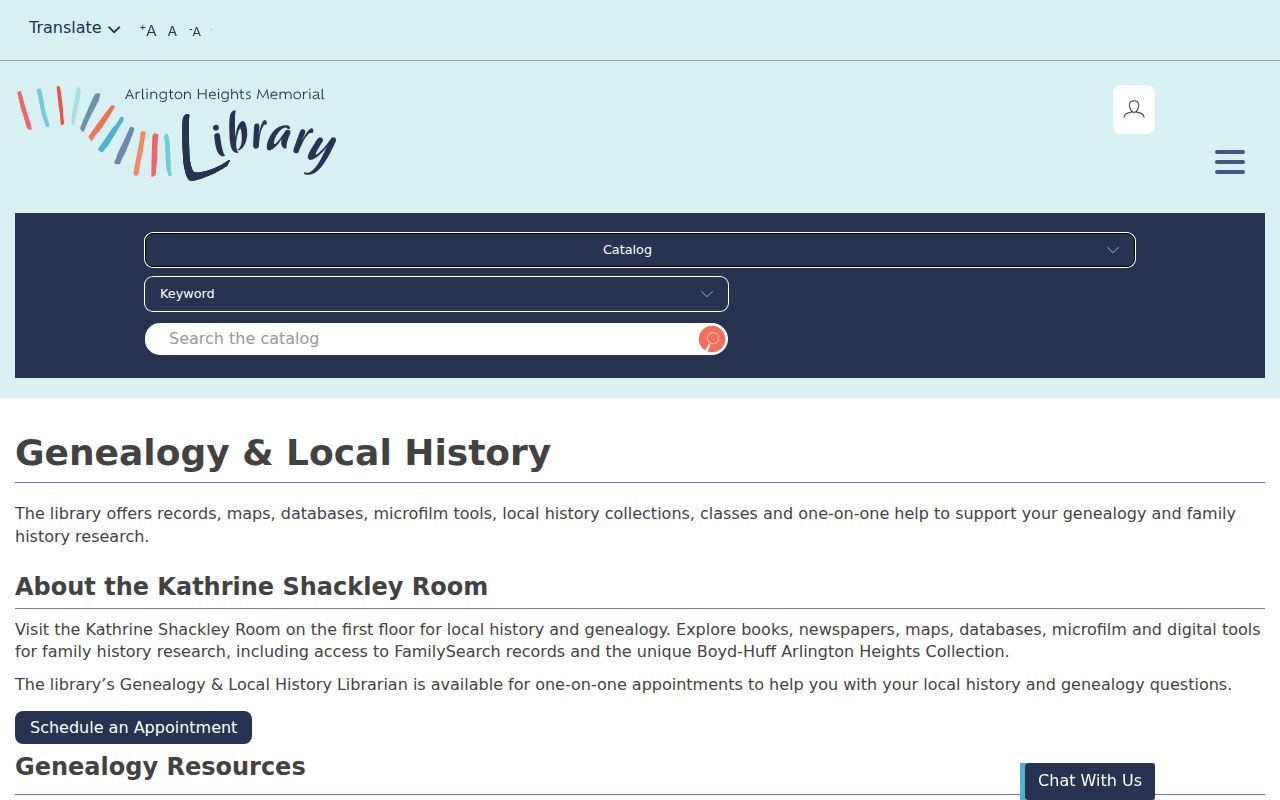
Its local Haines coverage and staff expertise can bridge gaps in the Rolling Meadows directory trail.
Kimball Hill Directory Search Clues
Kimball Hill is more than a builder's name. It is a strong keyword for Rolling Meadows city directory research. The first homes date to 1953. The city incorporated two years later, and the 1950s House preserves a replica of the three-bedroom Laurel model at 3100 Central Road. Search the model name, builder, subdivision, street, and year alongside a household surname.
The library adds another address trail. It opened in 1960 at 3300 Meadow Drive, in a converted home that had served as a Kimball Hill sales office. The current building at 3110 Martin Lane opened in 1967. Newspaper and permit searches tied to those exact addresses can reveal neighborhood terms that were used before present catalog labels settled.
The Rolling Meadows Historical Museum preserves the local development setting.
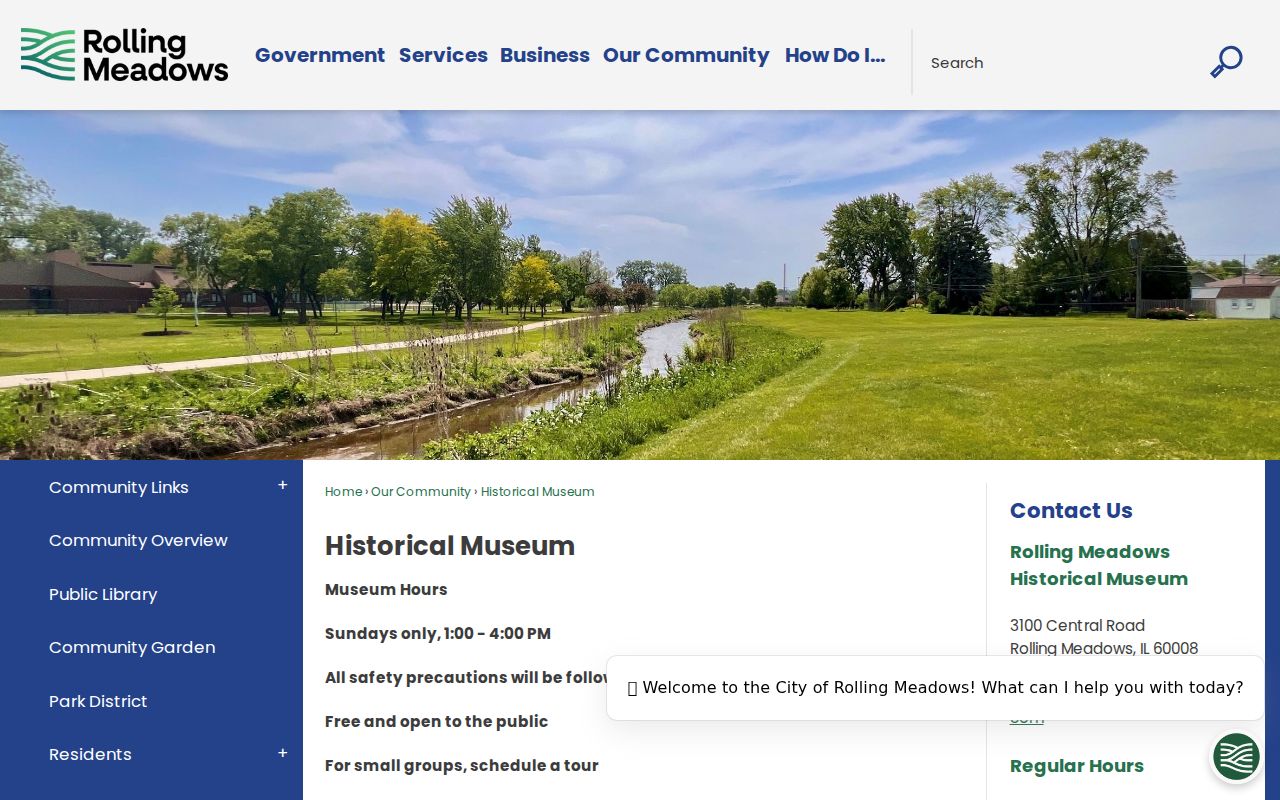
The museum's documents and photographs can supply context, but a directory or official record must support a named household claim.
Rolling Meadows Directory Time Markers
Several dated markers prevent impossible matches. They show when a place name, subdivision, or record format could plausibly appear.
| 1953 | First Kimball Hill homes were built. |
|---|---|
| 1955 | Rolling Meadows incorporated; the confirmed Chicago Suburban telephone volume was published. |
| 1960 | The library opened at 3300 Meadow Drive. |
| 1968-72 | Creekside's 109 homes were developed. |
| 1979-present | Haines coverage reported by the Arlington Heights house-history guide. |
Population context also changed fast, from 5,162 residents in 1955 to 24,200 in the 2020 Census. New streets and subdivisions made later criss-cross volumes more useful than the early phone book for address searches.
Fill Rolling Meadows Directory Gaps
When a needed volume is absent, work through the access channels in order. Start with the Rolling Meadows Library catalog and reference desk. Ask staff to check the shelf, local clipping files, and licensed databases. Next, contact Arlington Heights Memorial Library about its Haines and local-history holdings. The Library of Congress can supply digitized scans and broader directory guidance, while FamilySearch and the Illinois Regional Archives Depository can point to county books, deeds, poll records, and microfilm.
Use nearby names in every request. Rolling Meadows material may be filed as Palatine, Palatine Township, Chicago Suburban, Arlington Heights, Cook County, a subdivision, or a telephone exchange. Give staff a surname, exact address string, approximate year, and the source already checked. For a newspaper lead, include Kimball Hill, Creekside, Tall Oaks, or Dawngate when that development name matches the date.
Gaps carry meaning, but only if they are logged. Record that a catalog lacked a title, a scan's OCR failed, a year was missing, or a locality fell outside a volume. Do not turn absence into proof that the person moved. County records can also be incomplete because of the 1871 fire and later microfilm problems. A deed book, census schedule, permit, obituary, or newspaper notice may bridge the missing year while keeping each claim tied to its own source.
Trace Family in Rolling Meadows Directories
Family research works best when each source stays tied to its date. Begin with the clearest name and address in one city directory. Follow that same spelling across nearby years, then test maiden names, initials, and the street-order section. Census schedules can show a household at an enumeration date, while obituaries may connect relatives and later places. Neither source proves continuous residence between dates.
- Find the earliest known entry and save its title, year, page, and exact locality.
- Move through the next available volumes, logging address or exchange changes rather than filling gaps.
- Check the criss-cross section by house number, then compare the alphabetical entry.
- Pair nearby directory years with a federal census schedule from HeritageQuest, Ancestry, or FamilySearch.
- Use an obituary or county record to test a move, death, marriage, or estate link.
Absence can mean a move, death, unlisted phone, omitted suburb, missing year, or withdrawn volume. It does not settle which event occurred. If the modern question shifts to an address-keyed record, the Rolling Meadows street directory explains the parcel route without repeating the historical shelf.